Month of the Military Child: Malaya’s Story
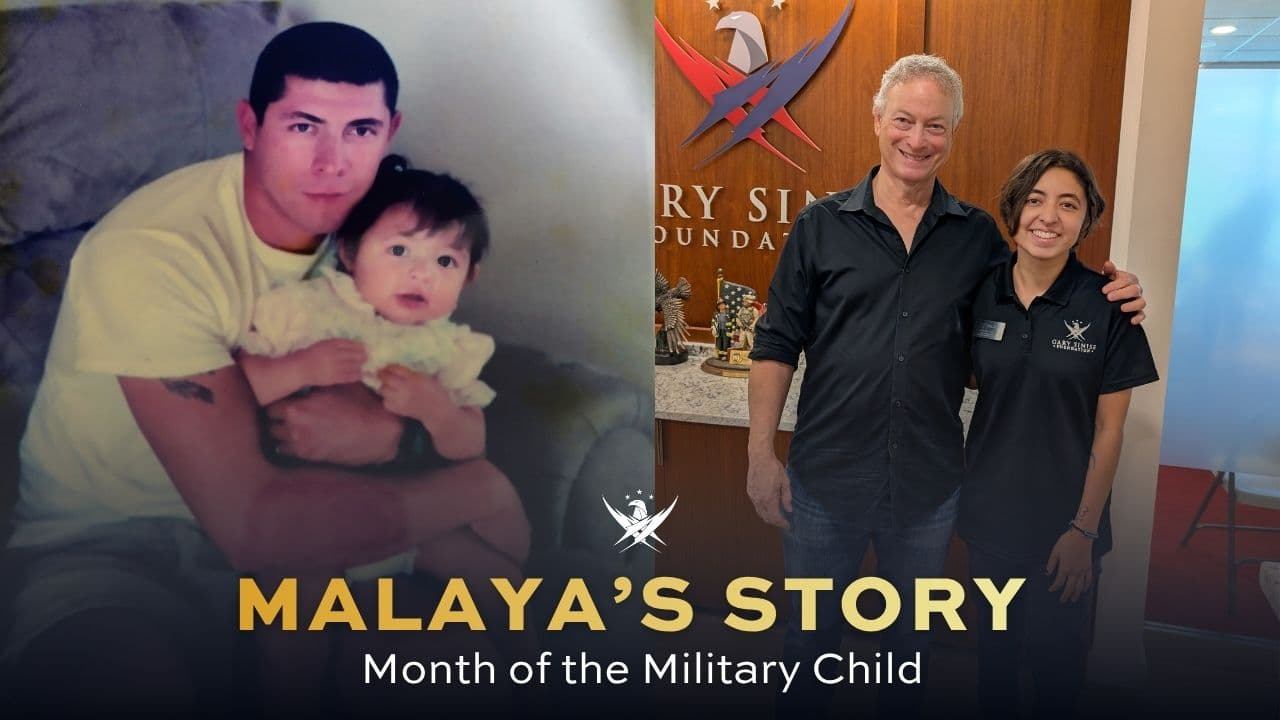
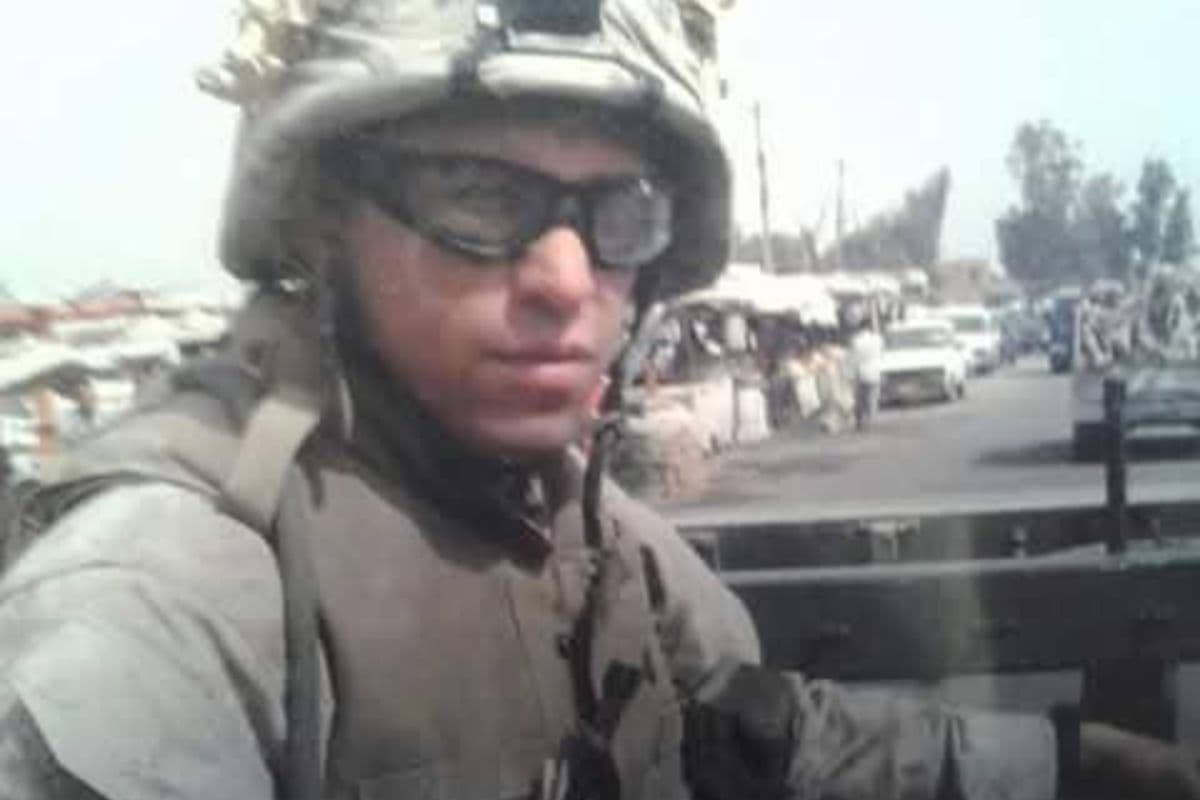
Malaya was just 18 months old when she lost her father, U.S. Marine Corps Lance Corporal Christopher Ramos, who was killed in Iraq while on his second tour of duty.
She doesn’t have conscious memories of her father. There are no moments she can replay or stories she can recall firsthand, and yet, his absence has been a defining feature in her life.
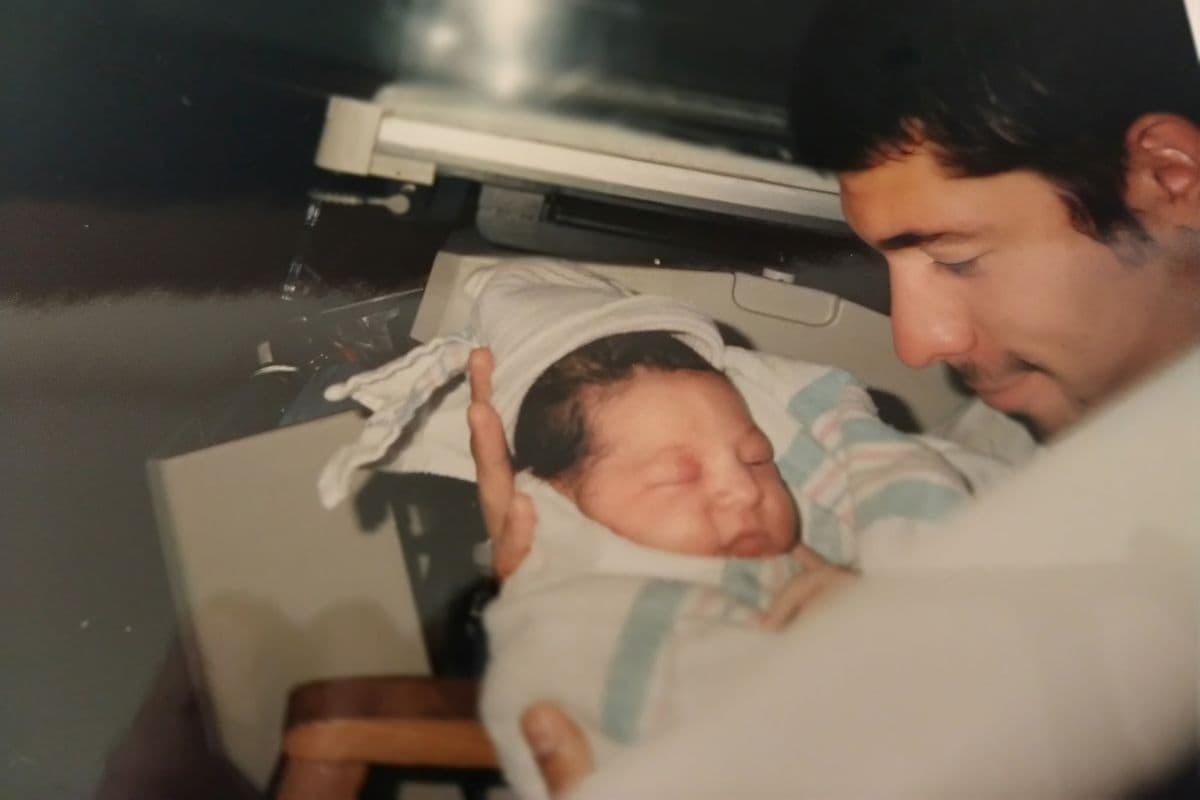
“There’s this person that I feel like I just missed, you know? Like we walked out the door at different times, and I grew up with his memory around me,” Malaya shared.
For military children who experience loss early in life, grief doesn’t arrive as a single moment; rather, it becomes something they grow up alongside.
“No one really had to tell me what death was,” said Malaya, “A lot of growing up was being surrounded by grief. I’ve never known life without it.”
Loss doesn’t come with a roadmap, especially for a child who doesn’t yet have the words to express their grief. For Malaya, it often meant existing between two worlds, never feeling like she fully belonged in either one.
In civilian spaces, she was a military child. Her life was shaped by service, sacrifice, and by a father who gave his life for our freedom. Her family grocery shopped on base; they got their school supplies on base; they went to events on base, but in these military spaces, her experience still looked different. While others prepared for deployments or welcomed loved ones home, Malaya’s reality was quieter.
“I was still in the military system,” Malaya shared, “going to these events and having my dad’s flag hanging on the wall. It took a long time to realize this isn’t a unique experience, and other military kids also had to deal with these same things.”
In searching for connection, Malaya found her way to the Gary Sinise Foundation. Shortly after the COVID-19 Pandemic, she attended a Foundation event in Nashville for young adults who had lost a parent or guardian to service. It was a trip that would ultimately change how she understood her own journey. For the first time, she was surrounded by people who didn’t need her to explain or justify her grief. They already understood it.
The final night, no one wanted to sleep, lingering long after programming ended and talking into the early hours of the morning. Malaya and her new friends shared stories, laughed, and opened up about loss in a way that felt easier than ever before.
As Malaya described it, “Looking around and hearing my friends tell their stories that echoed mine…it kind of felt like a switch flipped on. Like, I do belong here. You do understand me, and I am grieving. I see you grieving, and you’re okay. It was the kind of moment where the loneliness was almost immediately gone, just for a second.”
It was the first time she felt like she truly belonged.
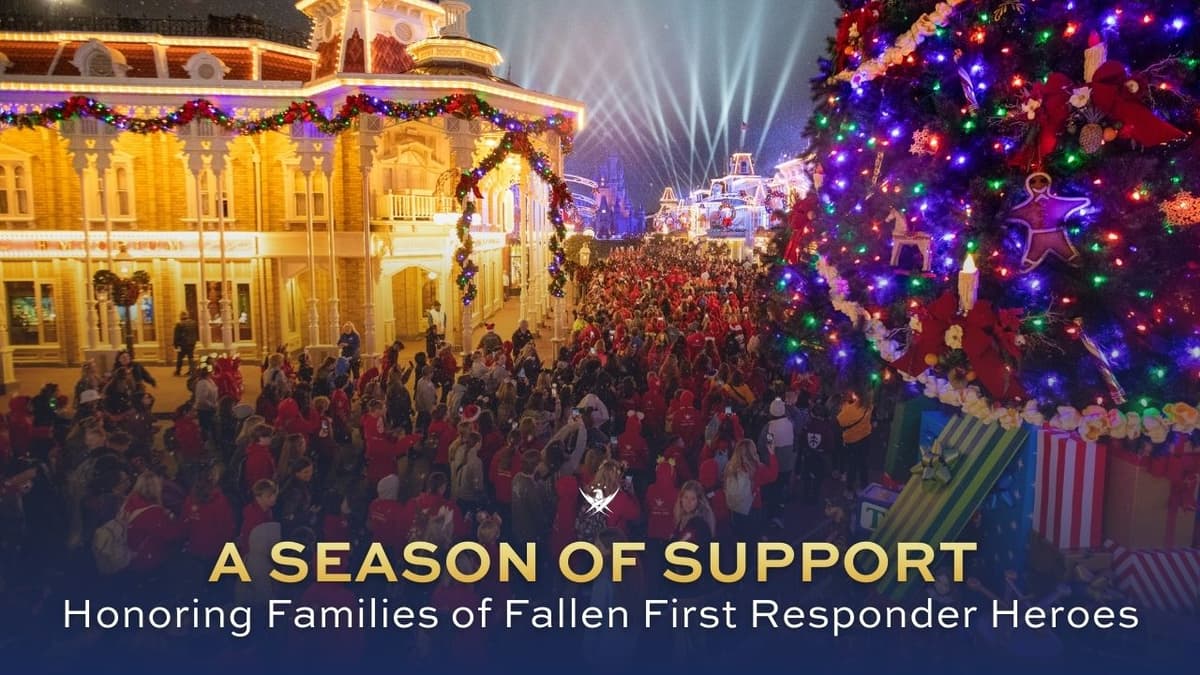
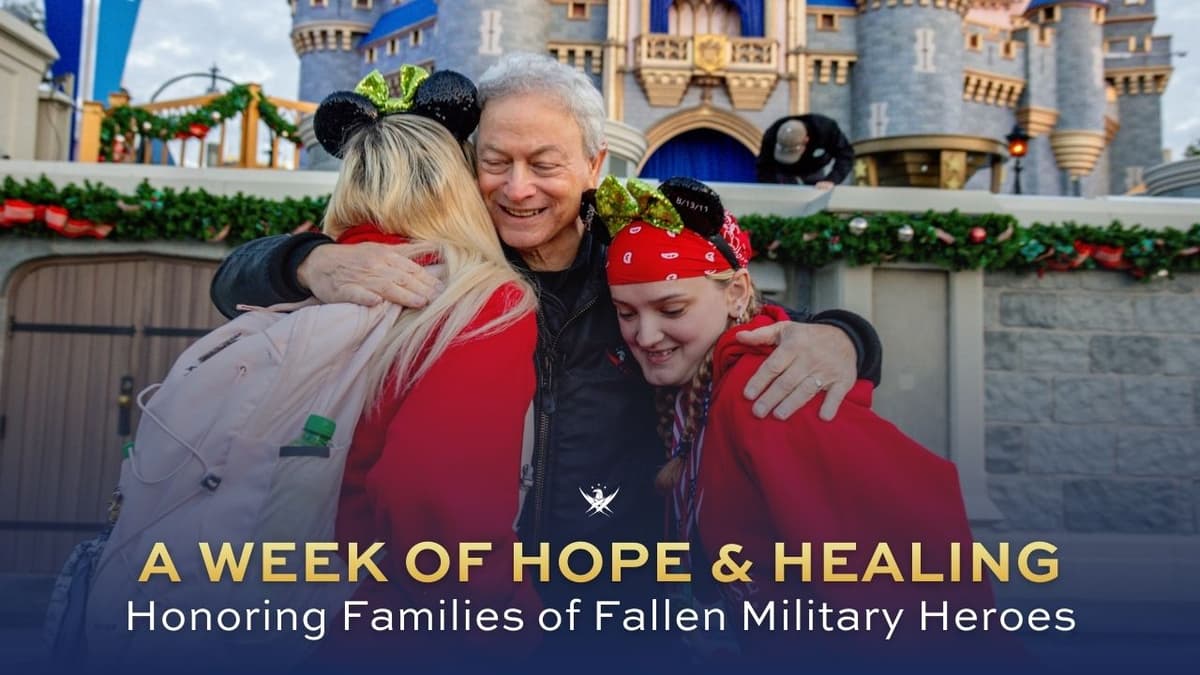
That sense of belonging deepened during her first Snowball Express Annual Event at Walt Disney World Resort, where she served as an Alumni Volunteer, helping first time families make connections. Walking through the Remembrance Garden, a quiet space where an American Flag stands for each fallen hero whose family was in attendance, Malaya did not expect to see her journey represented. That’s when she found her father’s flag.
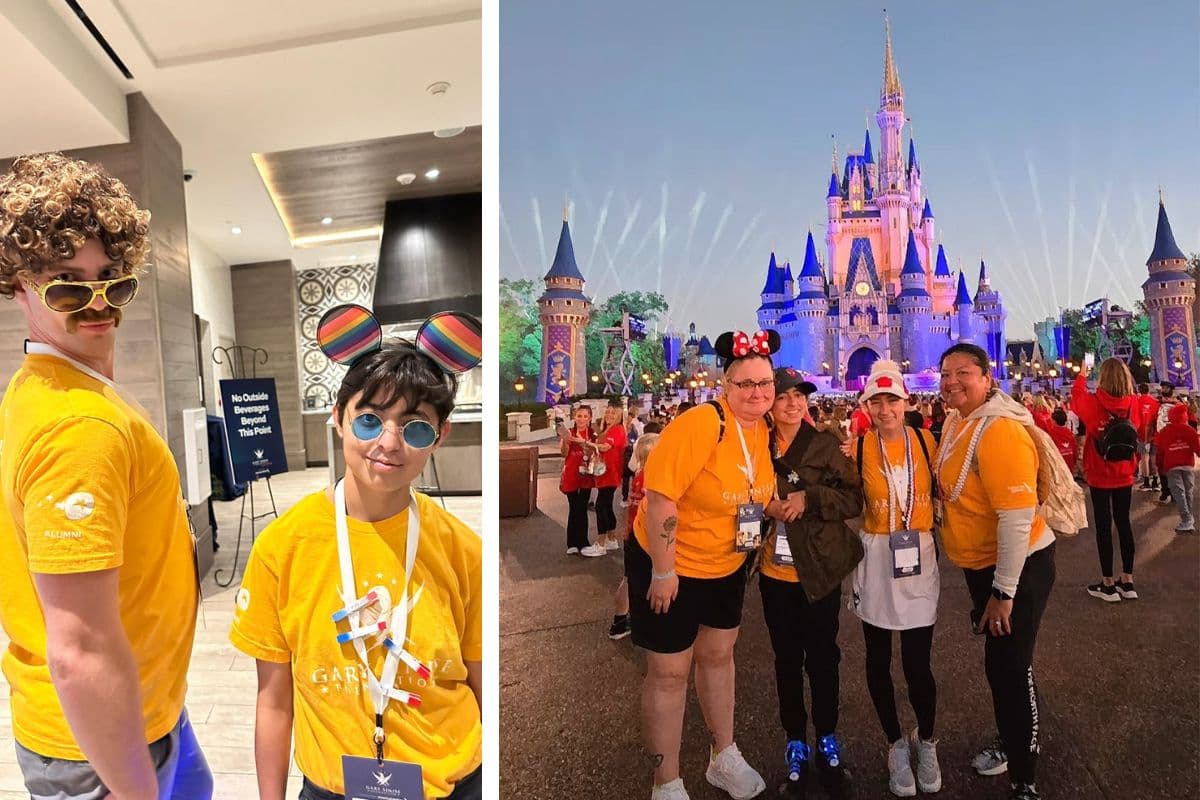
“It was very easy to be like well, I didn’t get to experience Snowball Express at Disney as a child - that’s okay. I’m here for the families. But the Foundation said, ‘No, you’re here too. We value you as well.’ It was just a really nice moment of being really seen,” Malaya recalled, “I had to take a lot of time to walk and process a lot of emotions after that - in a good way. Very much a good way.”
Even as a volunteer, she realized that this space was for her too. She wasn’t just there to give back. She was there as someone who had lived this experience, and as someone who was still carrying it.
That perspective has shaped the way Malaya continues to show up for others today.
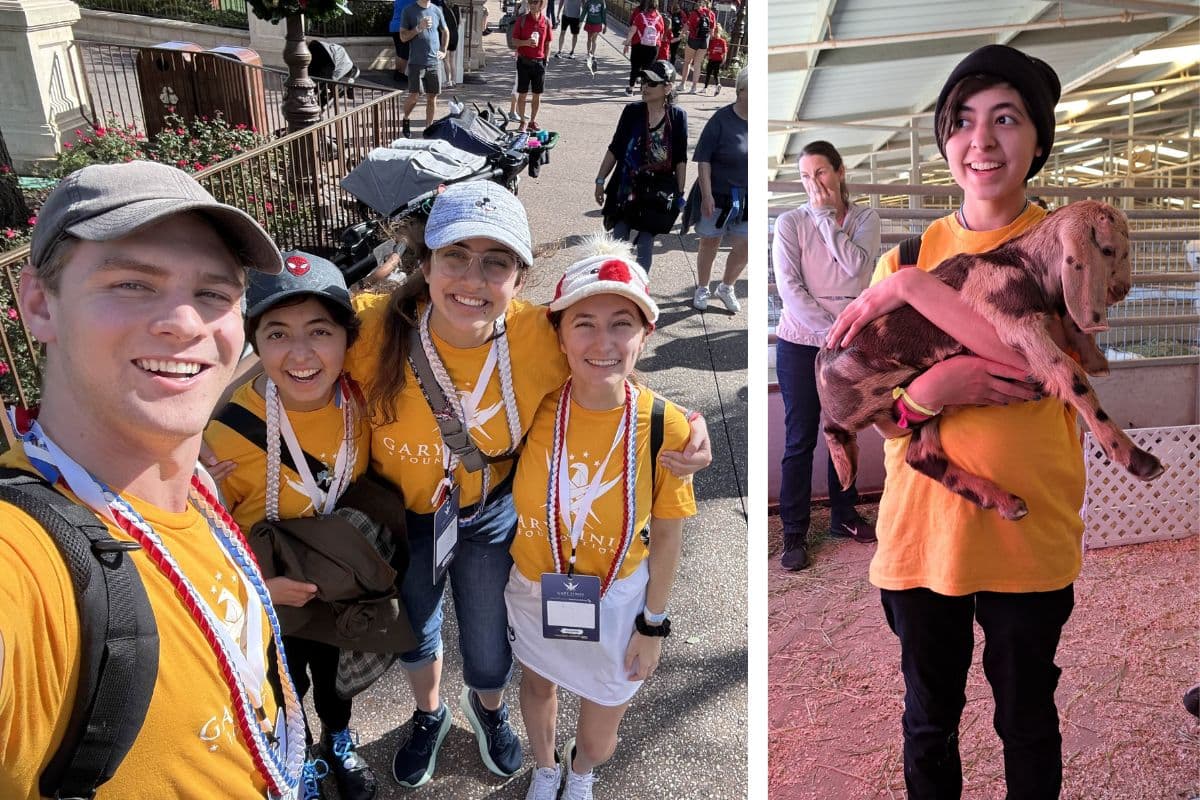
She continues to return to service because she wants to be the person she needed when she was younger. The one who notices the quiet kid in the room, who creates space, helps them feel seen, and encourages them to step out of their shell. Malaya understands how important that kind of presence can be, because she knows what it feels like to go without it.
“I want to be that person to help those kids. The person who makes those kids, those teens, and those moms feel understood and comfortable enough to reach out,” said Malaya, “It’s just those little moments of, ‘I’m so glad you have this, because I wish I did.’”
Malaya’s drive to give back doesn’t stop with Foundation events. Today, she serves as a Behavioral Health Responder, working with individuals in moments of immediate mental health crisis and responding to calls that come in through the 911 system. She is also pursuing her master’s degree with the goal of becoming a licensed mental health counselor, continuing her commitment to helping others navigate complex emotions and experiences.
“I always wanted to help. I want to make people feel better. I want to help and I want to better understand myself. It’s so rewarding to be able to help kids and their families understand, ‘You’re not broken. Nothing is wrong with you. You are going to be okay,’" said Malaya.
For Malaya, giving back isn’t separate from her story; it is part of how she continues to heal. It’s how she honors her father, connects with others, and transforms something deeply personal and tragic into something that helps others feel less alone.
Her journey is a powerful reminder that military children don’t all share the same story, but every story matters.
When asked what she would share with a military child who is just beginning their journey of loss, Malaya shared, “There is a lot of emotional turmoil that comes with being in a military family, and that looks different for everyone. But there’s also a great community that comes with it. There are a lot of support systems that come with it, and that itself is very beautiful.”
At the Gary Sinise Foundation, we are proud to stand alongside families like Malaya’s, honoring their loved ones, supporting their journeys, and building communities where every child knows they belong. Learn more about the work we are doing to support Families of Fallen Heroes, and donate now to become a part of the mission.